Is Your Horse Trying To Tell You Something?
Unlock your horse's potential and deepen your connection. Discover the Equestrian Performance Package—where insights lead to unprecedented equestrian success.
Get your FREE copy of Ani's book

Excerpt
If you're reading this guide, chances are you've experienced that frustrating moment when your horse's performance suddenly changes, and you can't figure out why.
Maybe your usually reliable jumper started refusing fences they've cleared hundreds of times. Perhaps your dressage partner began showing resistance in movements they once performed beautifully.
Or, maybe you just have that nagging feeling that your horse is trying to tell you something important, but you're missing the message. You're not alone, and more importantly, you're not imagining it.
Every day, horses communicate with us through a sophisticated language that goes far beyond the obvious signs we've been taught to recognize. While traditional...
Explore Animal Communication Services for Equestrian Excellence
Unlock deeper connections and peak performances with Ani's specialized Equestrian Communication services.
Equestrian Performance Package Starting at.....$1,997

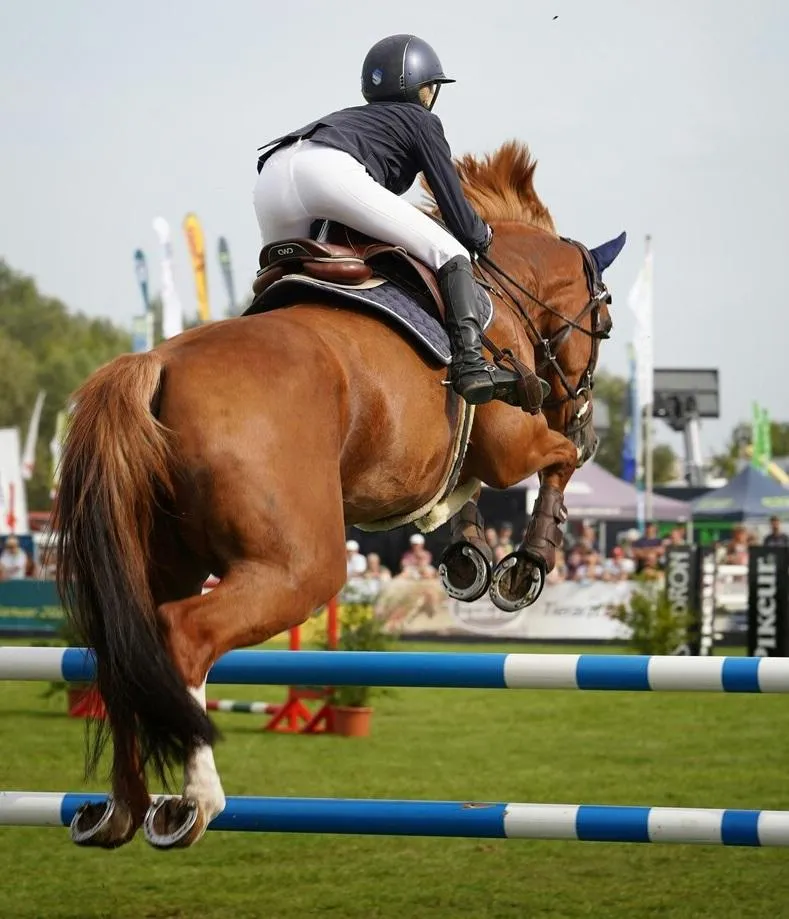
Improved Responsiveness
Horses that understand cues clearly respond more quickly and accurately. Reduces lag in transitions, enhances maneuverability in sports like dressage, show jumping, or reining.
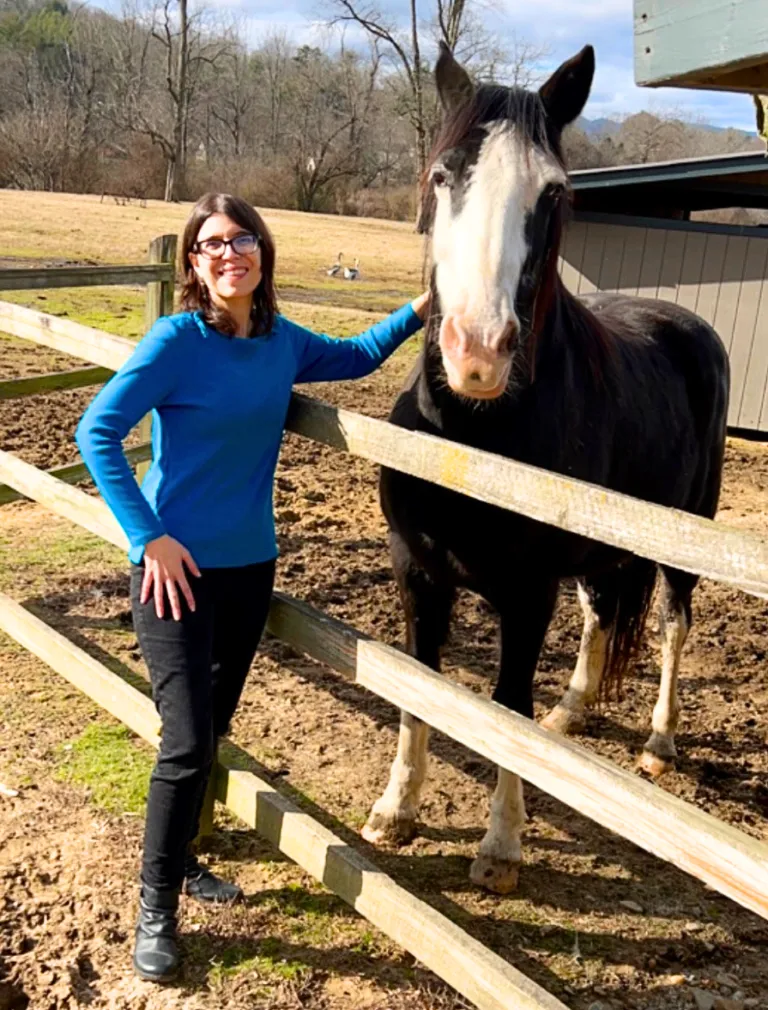
Stronger Rider-Horse Bonding
Builds trust, leading to better cooperation.
Horses become more willing partners, which is vital in both competitive and therapeutic settings
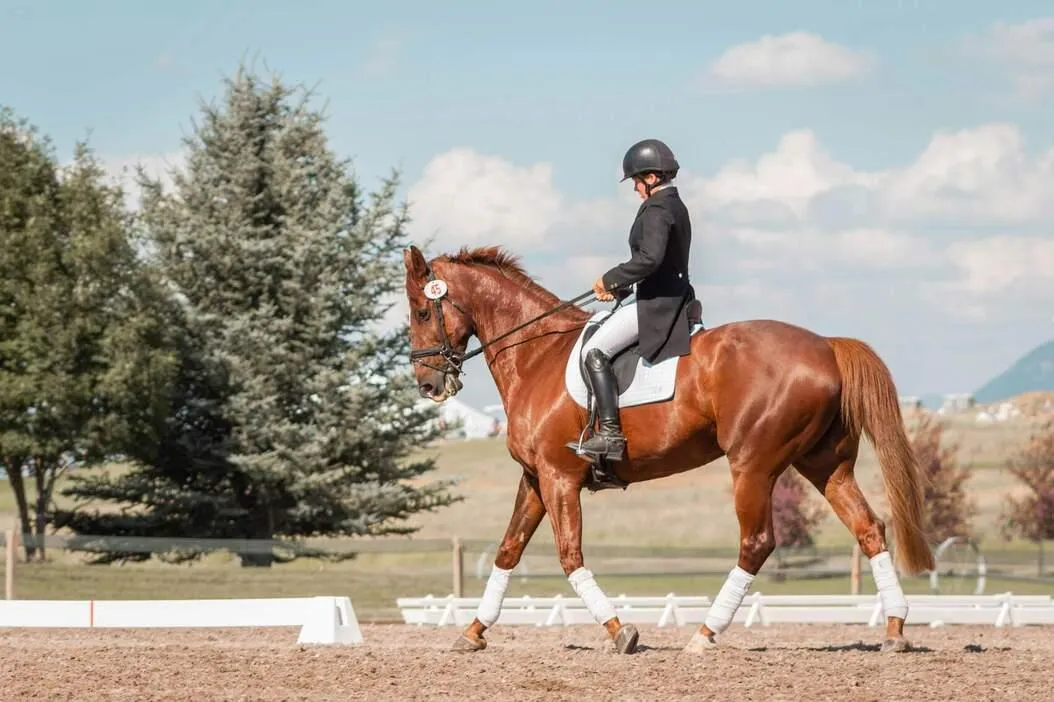
Lower Stress and Anxiety
Horses that feel understood and secure show fewer stress behaviors (e.g., spooking, tail swishing, biting).
Calmer horses conserve energy and focus better during performance.
Faster Learning and Training Efficiency
Clear communication speeds up the learning curve for complex tasks. Minimizes confusion and reduces the need for repetitive training.
Injury Prevention
Good communication allows riders to notice subtle signs of discomfort or fatigue. Prevents overexertion and helps in early detection of lameness or soreness.
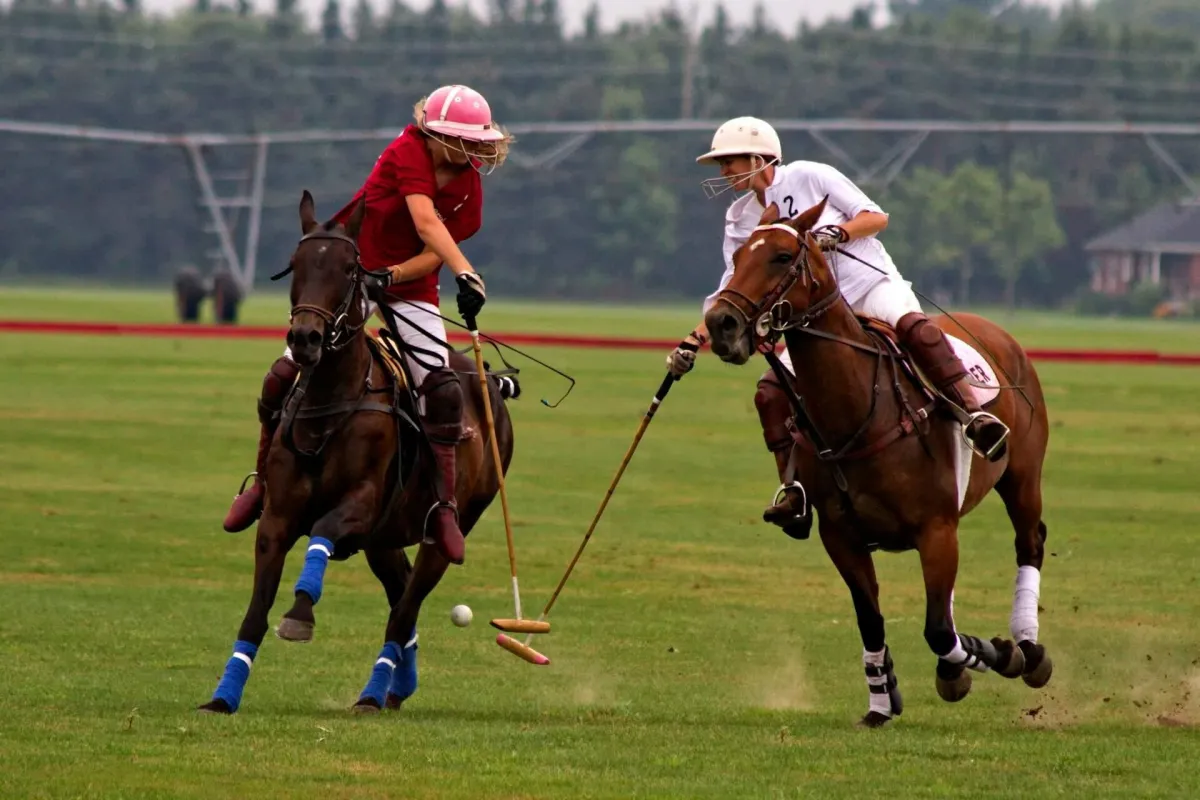
Enhanced Teamwork in Group Settings
In disciplines like polo or vaulting, clear communication aids coordination with teammates (equine and human).
Success Story: Misty's Journey Back To Confidence
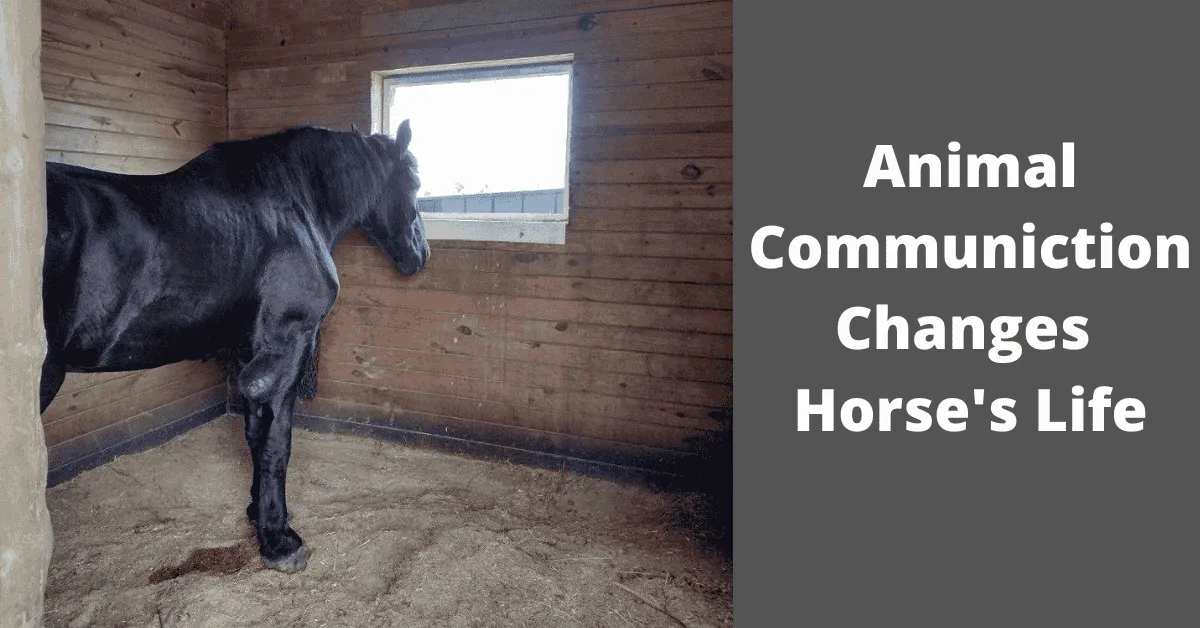
Misty’s trainer was at a loss. This calm, talented mare had become anxious and agitated. She nervously chewed her bit, wearing down her teeth. Her once steady demeanor was replaced with unease—and no one could pinpoint the cause.
When Ani connected with Misty through animal communication, the truth came through loud and clear:
Misty was experiencing a hormone imbalance, worsened by stress from an unspoken breeding attempt.
With Ani’s insights, Misty’s care plan shifted. She got the medical attention she needed and time off to heal—physically and emotionally.
Within weeks, her balance returned. Her spirit lifted. And soon, Misty was not just riding again—she was winning in the ring.
“Her transformation is a testament to listening to the horse, trusting the process, and giving them the care they truly need.”
FAQs
Your Path to Clarity: Answering Your Top Questions
What is included in this special offer?
> (10) 45 Minute Horse communication sessions via Zoom or Phone.
> (3) chakra energy balancing sessions
> (3) Angelic Soul Retrieval sessions
What is Chakra energy balancing sessions?
> Emotional Balance
> Improved Physical Health
> Enhanced Performance
> Deeper Connection with Humans
> Trauma Release
Chakra healing, especially when combined with bodywork (like Reiki or acupressure), can help release emotional trauma stored in the body.
What is Angelic soul retrieval?
> Angelic soul retrieval sessions help to restore your traumatized or severely ill animal friends’ soul back to wholeness. I do this by working with the angels, guides and the higher self of your animal companion.
> Through Angelic Soul Retrieval, your companion animal has the ability to experience “wholeness” once again.
Why are horses so susceptible to anxiety?
> Highly sensitive nervous systems: Horses have evolved to detect danger quickly. Their "fight, flight, or freeze" response is extremely strong—mostly geared toward flight.
> Vigilant nature: To survive, prey animals must constantly scan for threats. This constant state of alertness can make them more prone to being overwhelmed by stressful or traumatic events.
> Less ability to discharge stress: In captivity, horses often can't complete their natural trauma recovery behaviors (like running away), leading to unresolved trauma.
What are the key benefits of Horse Communications?
Equine communication—how horses communicate with each other and with humans—plays a significant role in performance, especially in disciplines like riding, racing, therapy, and training.
Effective communication between horse and handler or rider leads to several performance benefits:
1. Improved Responsiveness
Horses that understand cues clearly respond more quickly and accurately.
Reduces lag in transitions, enhances maneuverability in sports like dressage, show jumping, or reining.
2. Lower Stress and Anxiety
Horses that feel understood and secure show fewer stress behaviors (e.g., spooking, tail swishing, biting).
Calmer horses conserve energy and focus better during performance.
3. Faster Learning and Training Efficiency
Clear communication speeds up the learning curve for complex tasks.
Minimizes confusion and reduces the need for repetitive training.
4. Stronger Horse-Human Bond
Builds trust, leading to better cooperation.
Horses become more willing partners, which is vital in both competitive and therapeutic settings.
5. Injury Prevention
Good communication allows riders to notice subtle signs of discomfort or fatigue.
Prevents overexertion and helps in early detection of lameness or soreness.
6. Enhanced Teamwork in Group Settings
In disciplines like polo or vaulting, clear communication aids coordination with teammates (equine and human).